
A Journey of Music, Discovery, and Spiritual Connection
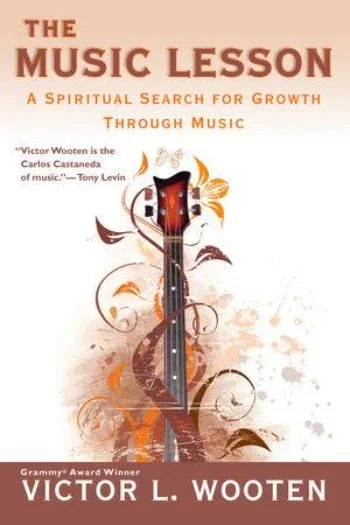
The subtitle of Victor Wooten’s book, The Music Lesson: A Spiritual Search for Growth Through Music, is an accurate description of its contents. In more literal terms, however, it is the story of Victor meeting his mystical, perhaps imaginary, master-teacher-guide and embarking on a journey of discovering—or remembering—all that he already knows.
My Reflections: Music as Life, Beauty, and God
I wholeheartedly enjoyed reading this book. I was captivated from the first few pages and intrigued to read more. I love how Victor weaves together a story with elements of magical realism, his real-life experiences, and his spiritual knowledge and understanding. Victor has an extraordinary way of describing music and translating its technical elements into language that anyone can understand. Throughout the book, I especially appreciate the underlying theme that music is synonymous with Life, Beauty, and God.
There are so many wonderful quotes throughout the book that resonated with me. The first appears on page one: “You are already musical, you just don’t know it yet.” I love this idea and believe that everyone has the potential to be musical. Music isn't necessarily about formal training, reading sheet music, or mastering an instrument. It is also about listening, feeling, expressing, and discovering the music that already exists within us.
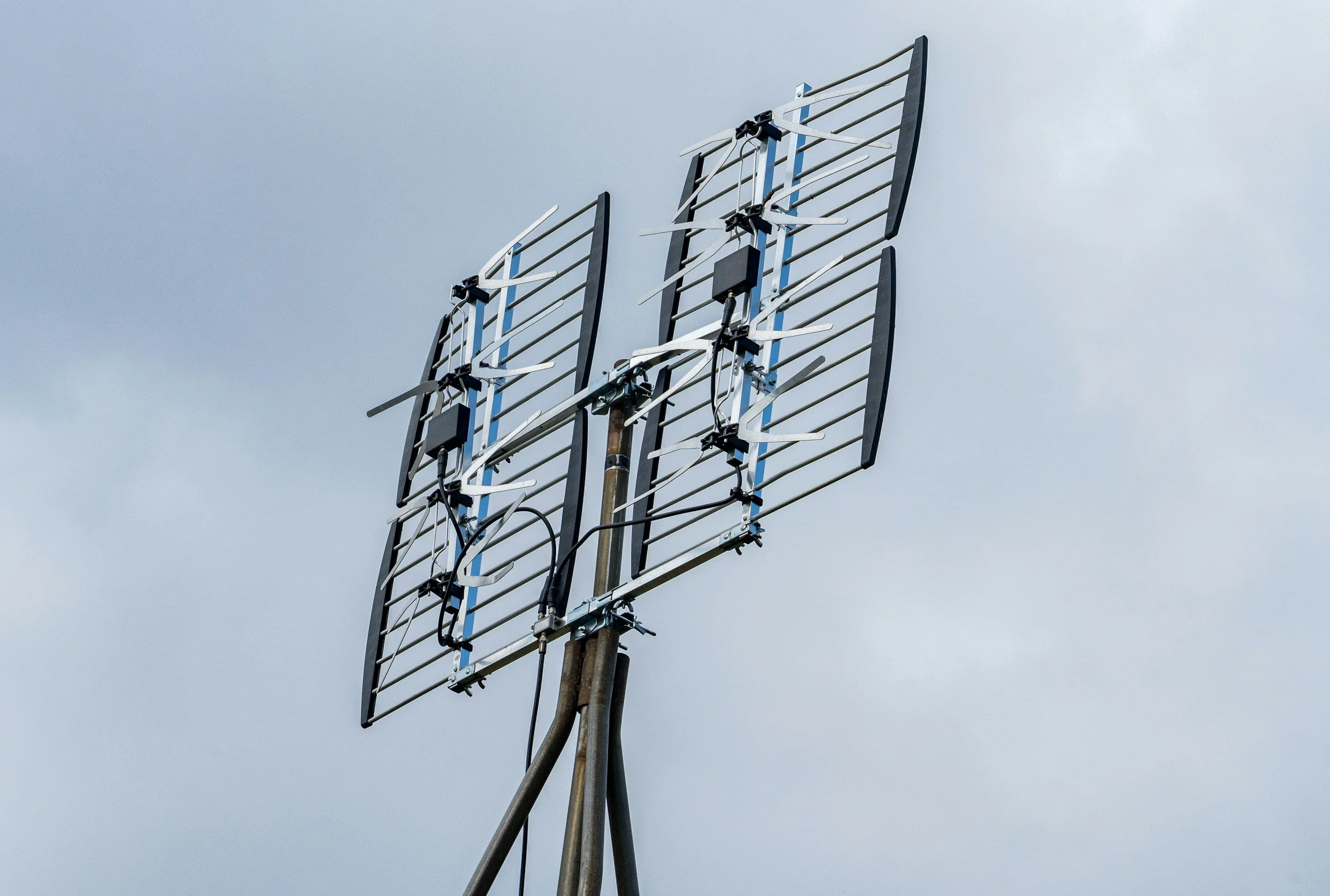
Another quote I found particularly interesting appears on page 10, when Michael tells Victor, “All knowledge that ever existed, or ever will exist, is already out there in the air. All you need to do is tune in to what you want to know.” This idea caught my attention because I am concurrently reading another book (well, about five other books, but that’s beside the point!) called Healing with Love by Leonard Laskow. In his book, Laskow shares research conducted by Rupert Sheldrake that explores the idea that our brains function like televisions—that is, as tuning devices—while information is actually stored outside the brain and body (in the ectoplasma). This is a concept that has been floating around in my personal life quite a bit over the past year, so it was fun to see it come to life in several books at once. I find it fascinating to consider the possibility that learning is sometimes less about acquiring something entirely new and more about tuning in to something we are ready to recognize.
Putting the Lessons Into Practice
Some of the lessons in this book have inspired me to try new things while practicing and playing, with the goal of improving my connection and intuition when it comes to music. In particular, I was intrigued by the lesson in which Victor puts on CDs and learns how to get into the groove and jam along with the musicians. The idea is that, to improve his ability to play with others, he needs to practice playing with better musicians. Rather than simply playing the notes he knows, he must learn to listen, respond, and find his place within the music that is already unfolding.
I was especially interested in trying to listen and figure out which key to play in. As I read this section, I found myself thinking about a concept you have mentioned in previous lessons: when we hit an unexpected note, we are never more than one note away from a resolution. On page 44, Michael talks about never being more than a “half-step” away from a “right” note. He encourages Victor to listen for whether a note is “in” or “out” and, if it sounds out of place, to slide his finger one fret in either direction.
I found myself curious about this concept and how it relates to finding resolution when playing. Is the idea that we can listen intuitively for the note that feels right, rather than needing to know the theory behind it? I love the idea of approaching music this way: listening, experimenting, and trusting our ears to guide us toward resolution.
Finding the Music That Is Already Within Us
One of the things I appreciate most about The Music Lesson is its invitation to approach music as something larger than a technical skill. Learning an instrument certainly involves practice, discipline, and understanding, but there is also a more intuitive dimension to making music. It requires us to listen deeply, remain open to what we don't yet understand, and trust ourselves enough to explore.
This perspective feels especially meaningful in my own journey as a therapeutic harpist. As I continue learning to improvise and play from the heart, I am discovering the joy of moving beyond the page and allowing the music to unfold in the moment. Sometimes that means trying something unfamiliar, following an unexpected note, or simply listening for what wants to emerge.
Perhaps this is part of what it means to remember what we already know. We learn, we practice, and we develop our skills, but we also learn to quiet the mind enough to hear what is waiting beneath the surface.
The Music of Lightkeeper’s Way
The themes in The Music Lesson resonate deeply with the mission of Lightkeeper’s Way: illuminating lives with vision, presence, and purpose. Whether I am creating portraits, guiding a yoga or meditation practice, or sharing therapeutic harp music, my intention is to help people reconnect with something meaningful within themselves. Music offers a beautiful way to do this. It can invite us into the present moment, awaken feelings we may not have words for, and remind us of the beauty and connection that exist beyond our everyday thoughts. Like photography, music is also an exploration of light and shadow, of what is revealed and what remains unseen. Both invite us to pay attention, to notice what is already there, and to discover new meaning through the act of witnessing.
Ultimately, The Music Lesson reminded me that growth doesn't always mean becoming something we are not. Sometimes it means rediscovering what has been within us all along. Through music, creativity, and connection, I hope to help others find their own way back to that inner light.
