
YOGA STYLES
-
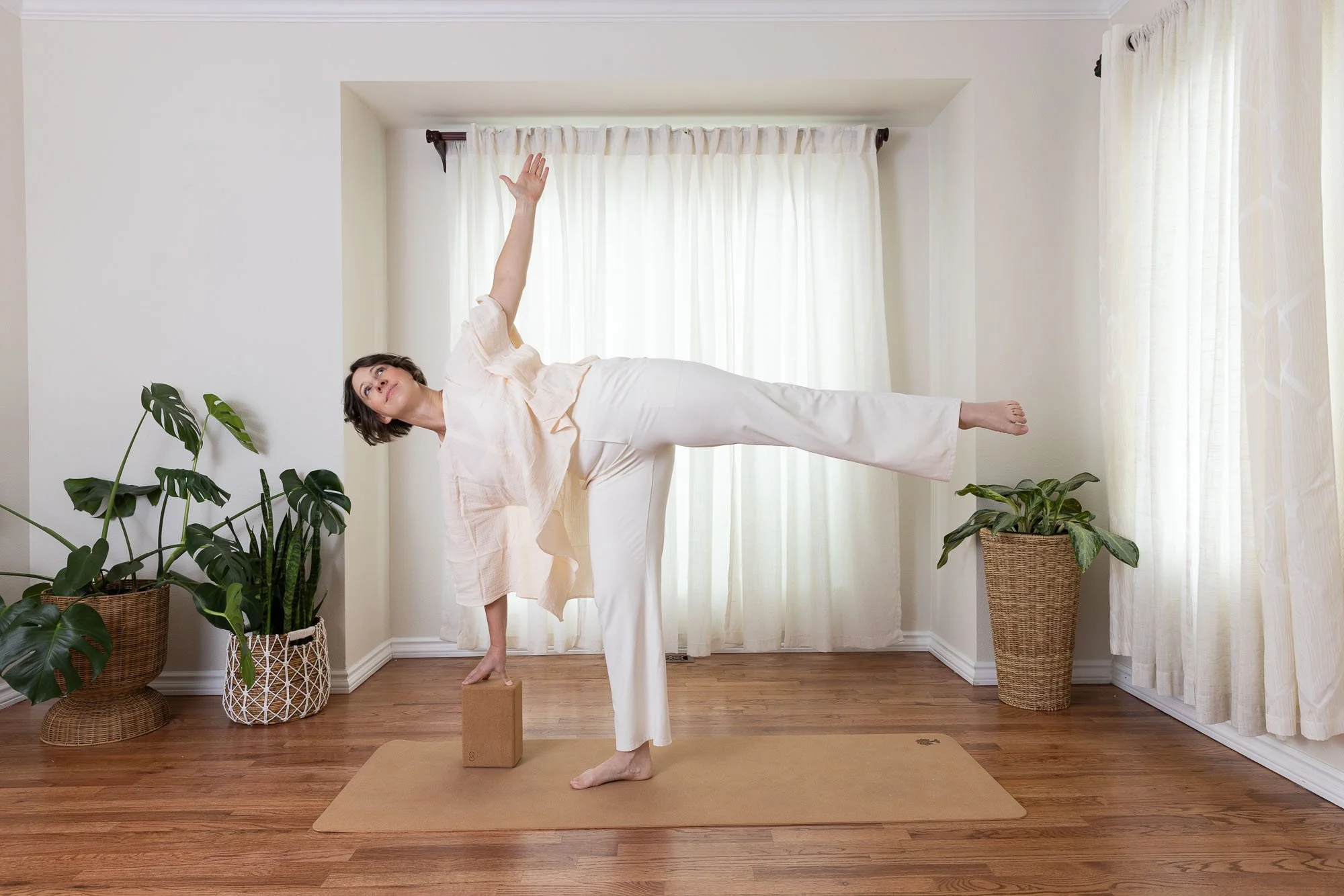
Power Yoga
This is a high-intensity class that moves at a fast pace with many standing postures.
-
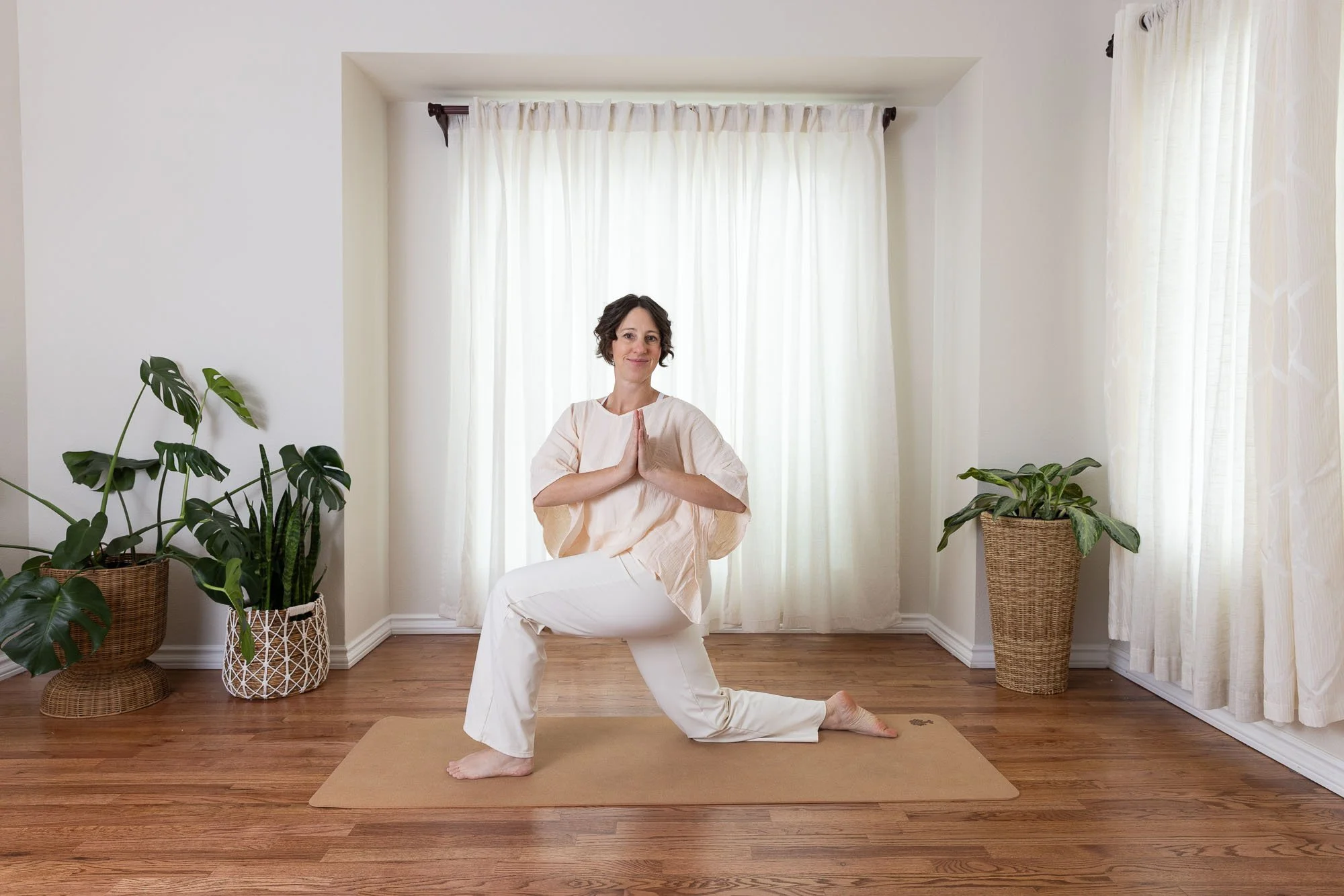
Slow Vinyasa
This is a medium-intensity class with many standing postures, but moving at a slower pace
-
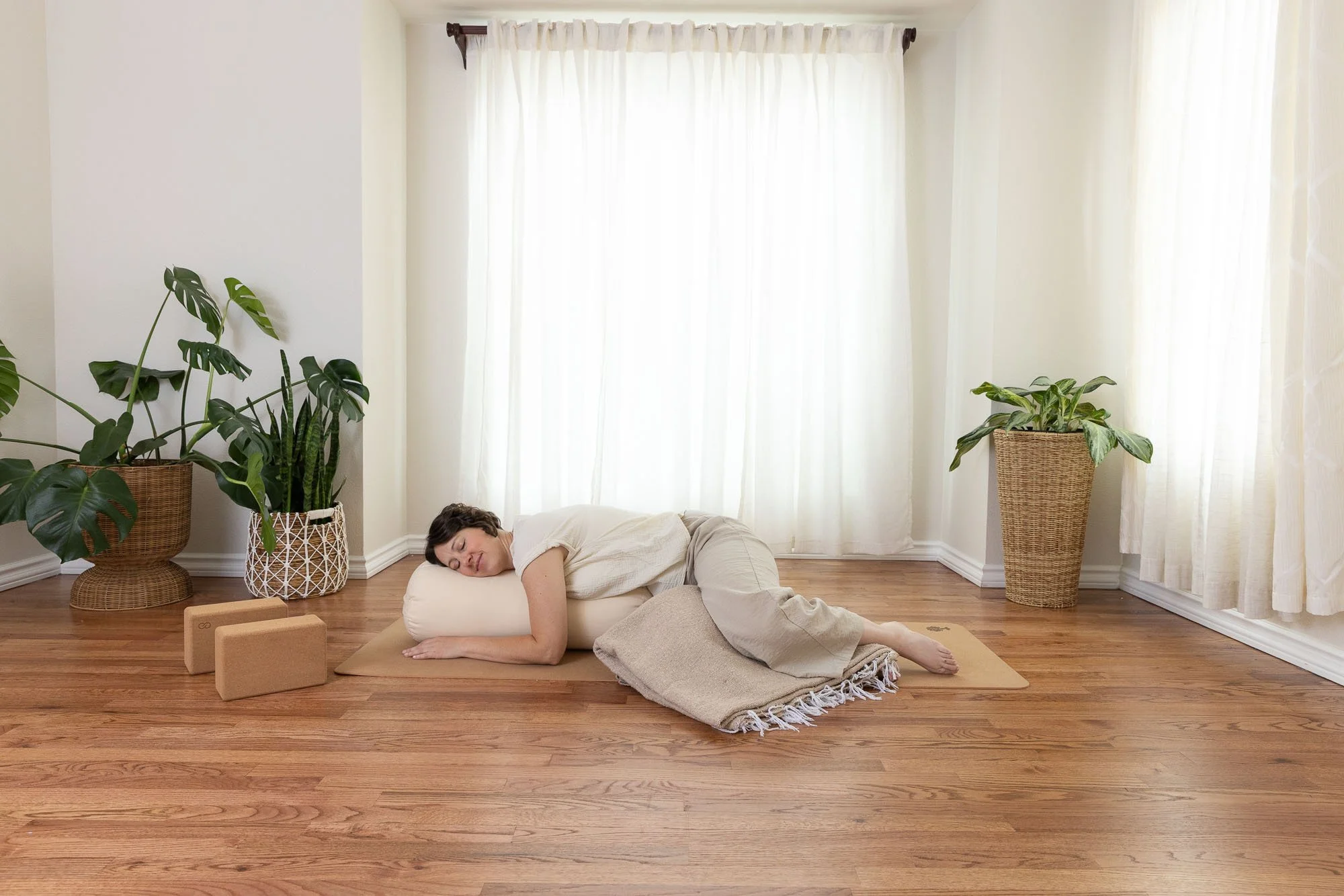
Restorative
This is a low-intensity class that is done primarily on the floor with the use of props (such as blocks, bolsters, and blankets) for comfort and support.
-
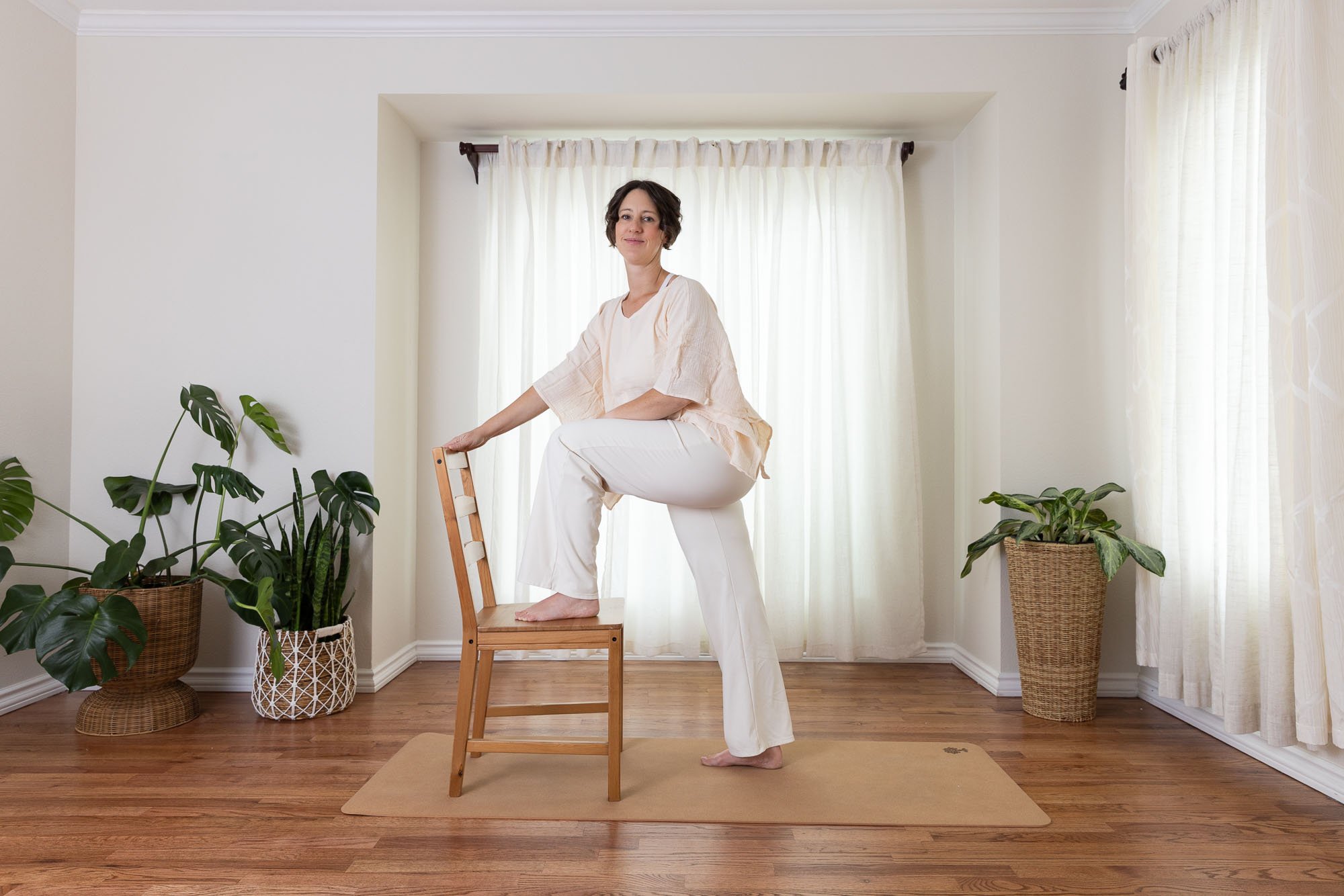
Chair Yoga
This is a low-intensity class that uses the chair as a foundational prop for the class. Many postures are done seated in the chair, while some may be done standing and using the chair for support.
-
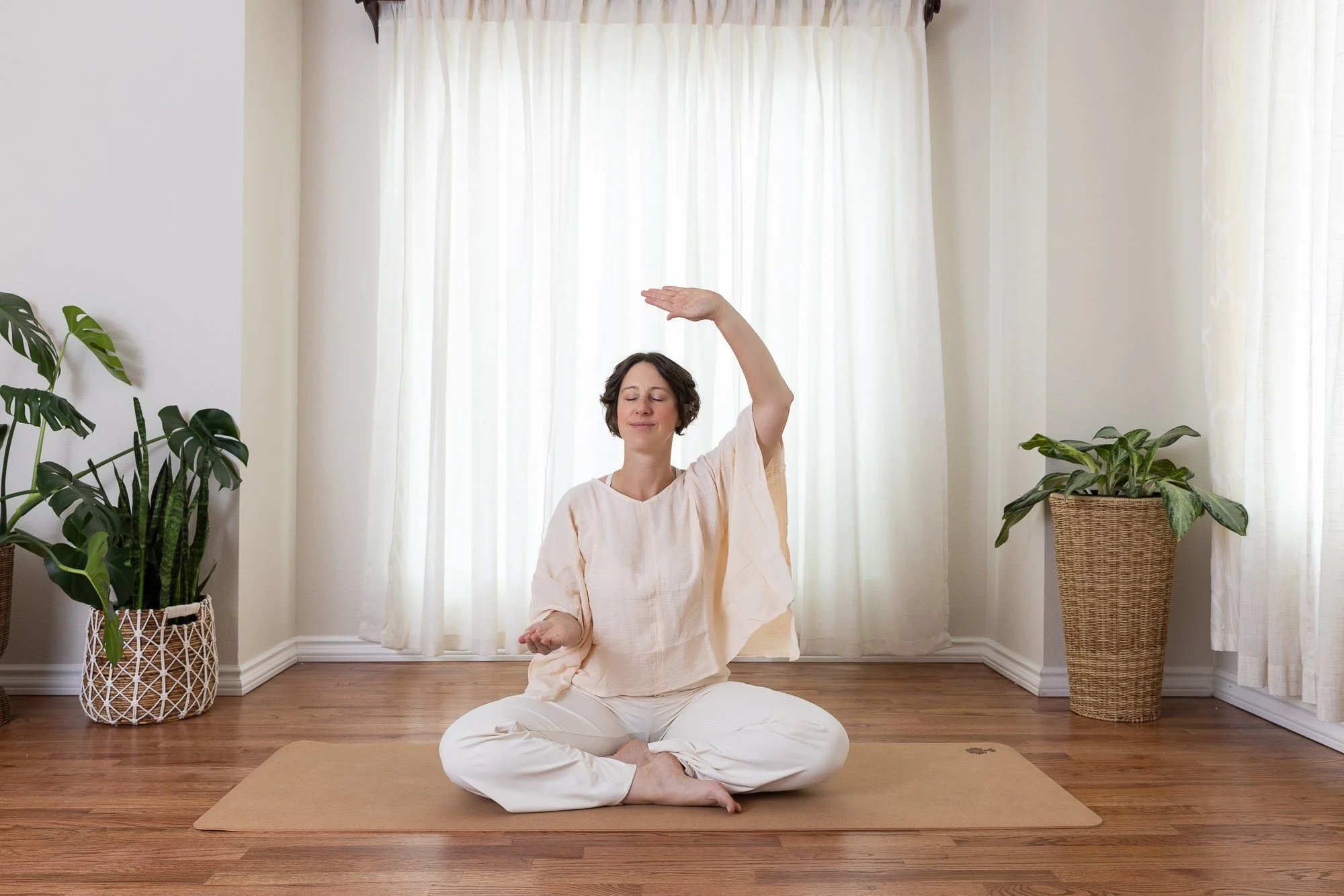
Kundalini Yoga
Kundalini yoga classes vary in intensity from low to medium. Kundalini classes generally combine the use of sound, breathwork, and physical postures help to prepare the body and mind to enter a deeper state of meditation.
-
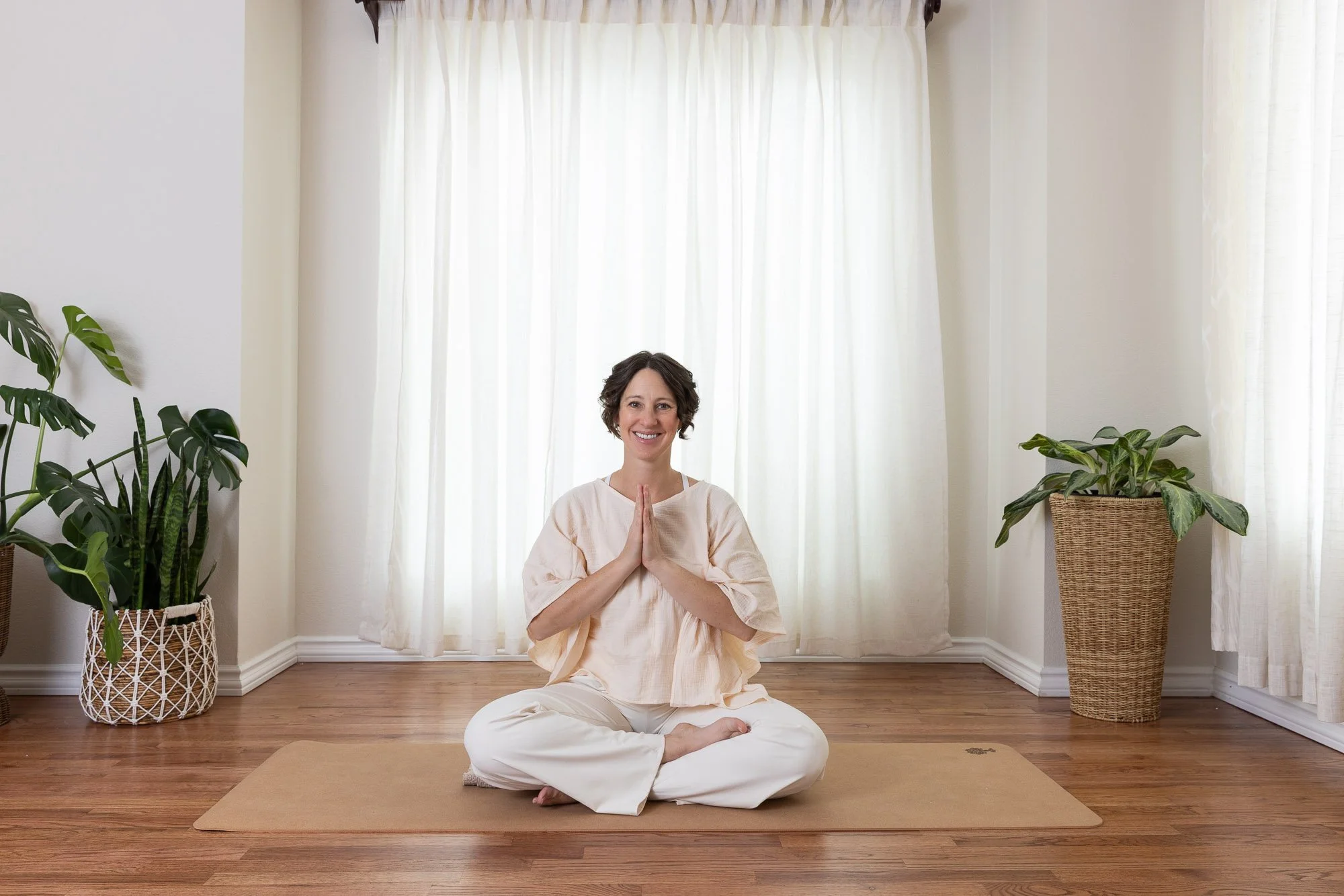
Trauma-Informed Yoga
A Trauma-Informed approach to yoga emphasizes curiosity, personal choice, and noticing the body’s signals without judgment. The goal is cultivate develop a greater sense of safety and agency within our own bodies.
Illuminating lives with vision, presence, and purpose.
*
Illuminating lives with vision, presence, and purpose. *
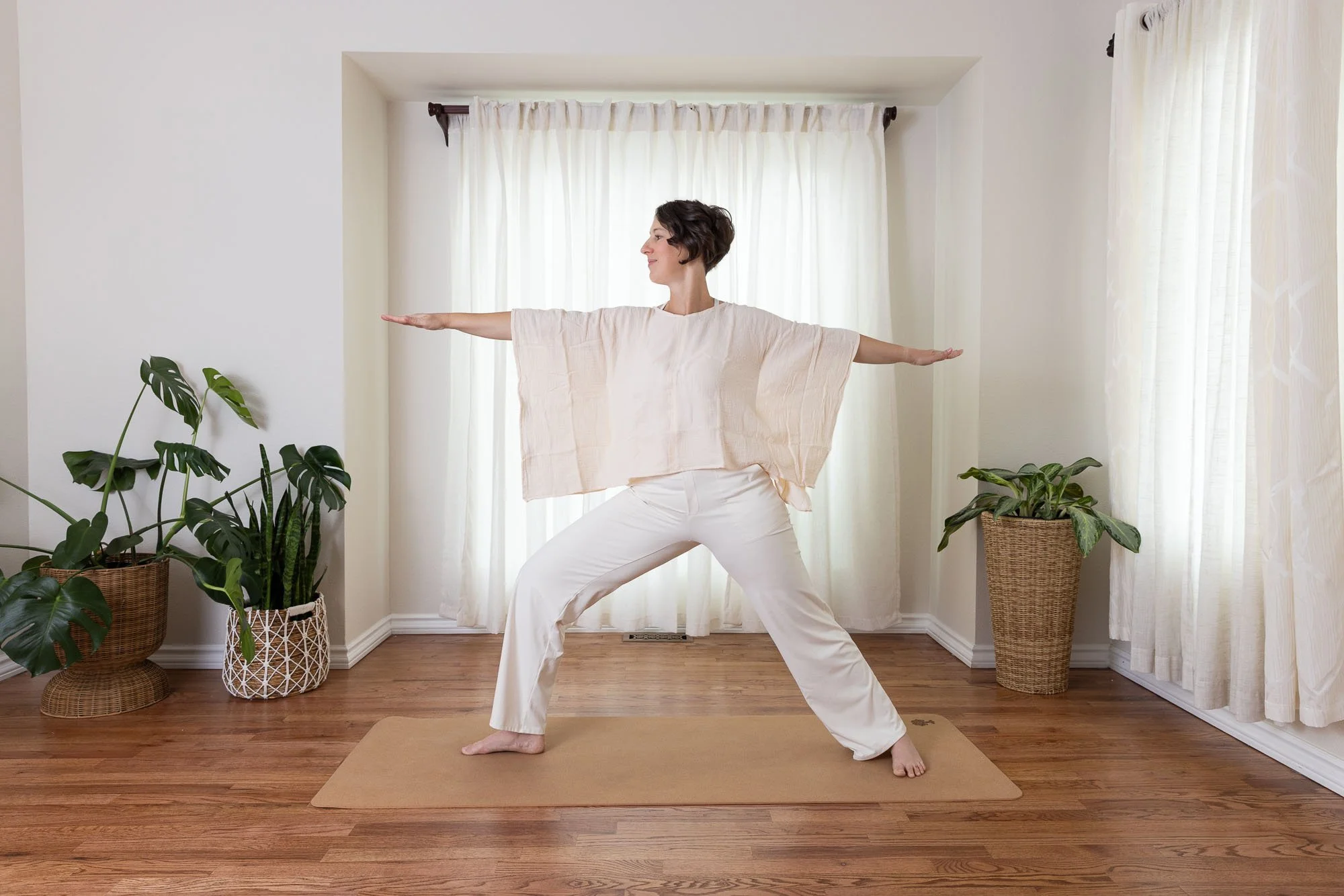
Power Yoga
ENERGIZE AND STRENGTHEN
Power Yoga is an energizing, strength-building practice that combines the mindful principles of yoga with a more dynamic and physically challenging flow. Participants move through a purposeful sequence of postures while connecting movement with breath, building strength, flexibility, balance, coordination, and endurance. Classes may incorporate standing poses, balancing postures, core work, and transitions that invite participants to engage both body and mind.
While Power Yoga can be physically invigorating, the practice is about more than simply working hard. Participants are encouraged to cultivate focus, resilience, and awareness while honoring their individual abilities and boundaries. Modifications and variations allow the practice to meet participants where they are, creating space to challenge themselves without losing the connection to breath and mindful movement.
At Lightkeeper’s Way, Power Yoga is an invitation to move with intention, build inner and outer strength, and discover what becomes possible when breath, body, and mind work together.
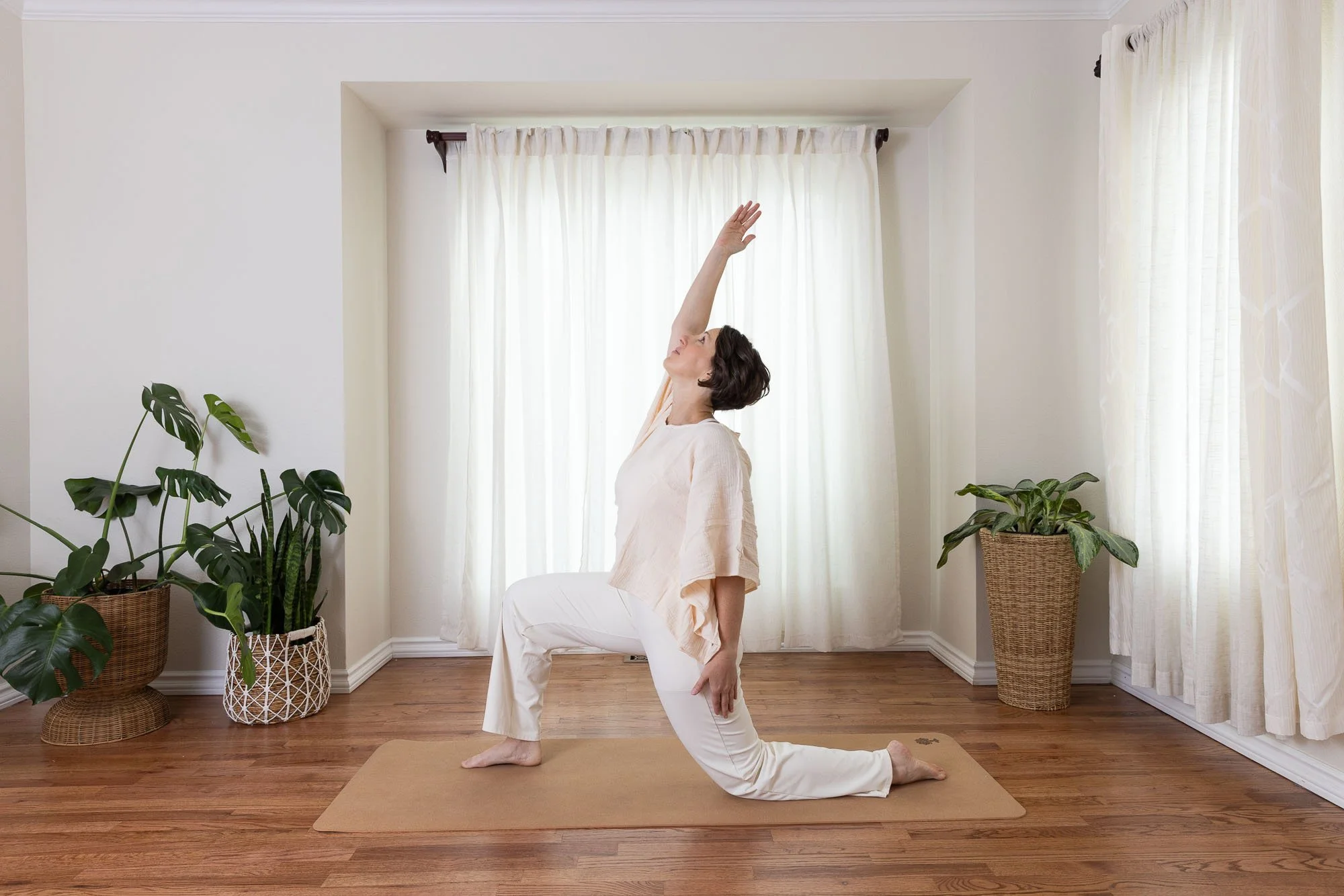
Slow Flow Vinyasa
MOVE WITH GENTLE AWARENESS
Slow Flow Vinyasa is a mindful, flowing yoga practice that connects breath with intentional movement at a slower, more spacious pace. Rather than moving quickly from pose to pose, participants are invited to explore each movement with awareness, creating time to notice the body, refine alignment, and settle into the rhythm of the breath. Classes may include gentle strengthening, standing poses, balance work, stretches, and moments of stillness.
This practice offers a beautiful balance of movement and mindfulness—energizing the body while calming and centering the mind. The slower pace allows participants to move with greater intention and adapt poses to their individual needs, making the practice approachable for a variety of experience levels.
At Lightkeeper’s Way, Slow Flow Vinyasa is an invitation to move with your breath, listen to your body, and become fully present in the moment. It is a practice of finding balance between effort and ease, strength and softness, movement and stillness.
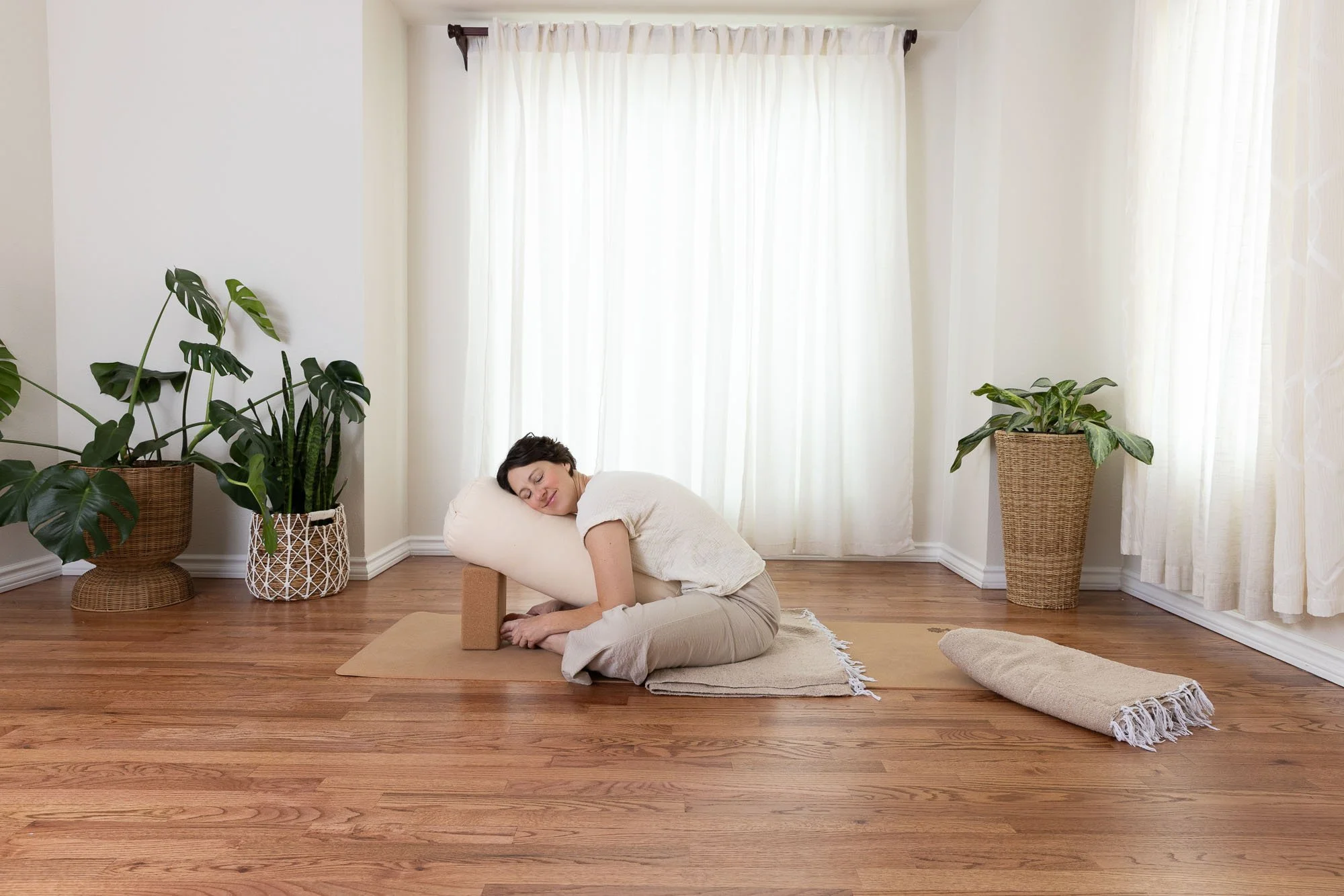
Restorative Yoga
SLOW DOWN AND RELAX
Restorative Yoga is a gentle, deeply nurturing practice designed to support the body and nervous system in slowing down, releasing tension, and restoring balance. Using props such as bolsters, blankets, blocks, and straps, participants are fully supported in comfortable yoga poses that are held for longer periods of time. Rather than striving or stretching deeply, the emphasis is on comfort, ease, stillness, and allowing the body to soften.
Through intentional breathing, quiet awareness, and supported postures, Restorative Yoga creates an opportunity to step away from the demands of everyday life and enter a more restful state. The practice can help cultivate a sense of calm and spaciousness while encouraging participants to listen inwardly and honor what their bodies need in the present moment.
At Lightkeeper’s Way, Restorative Yoga is an invitation to pause, receive, and replenish. It offers a peaceful space to set aside the need to accomplish and simply be—creating room for rest, renewal, and a deeper connection with yourself.
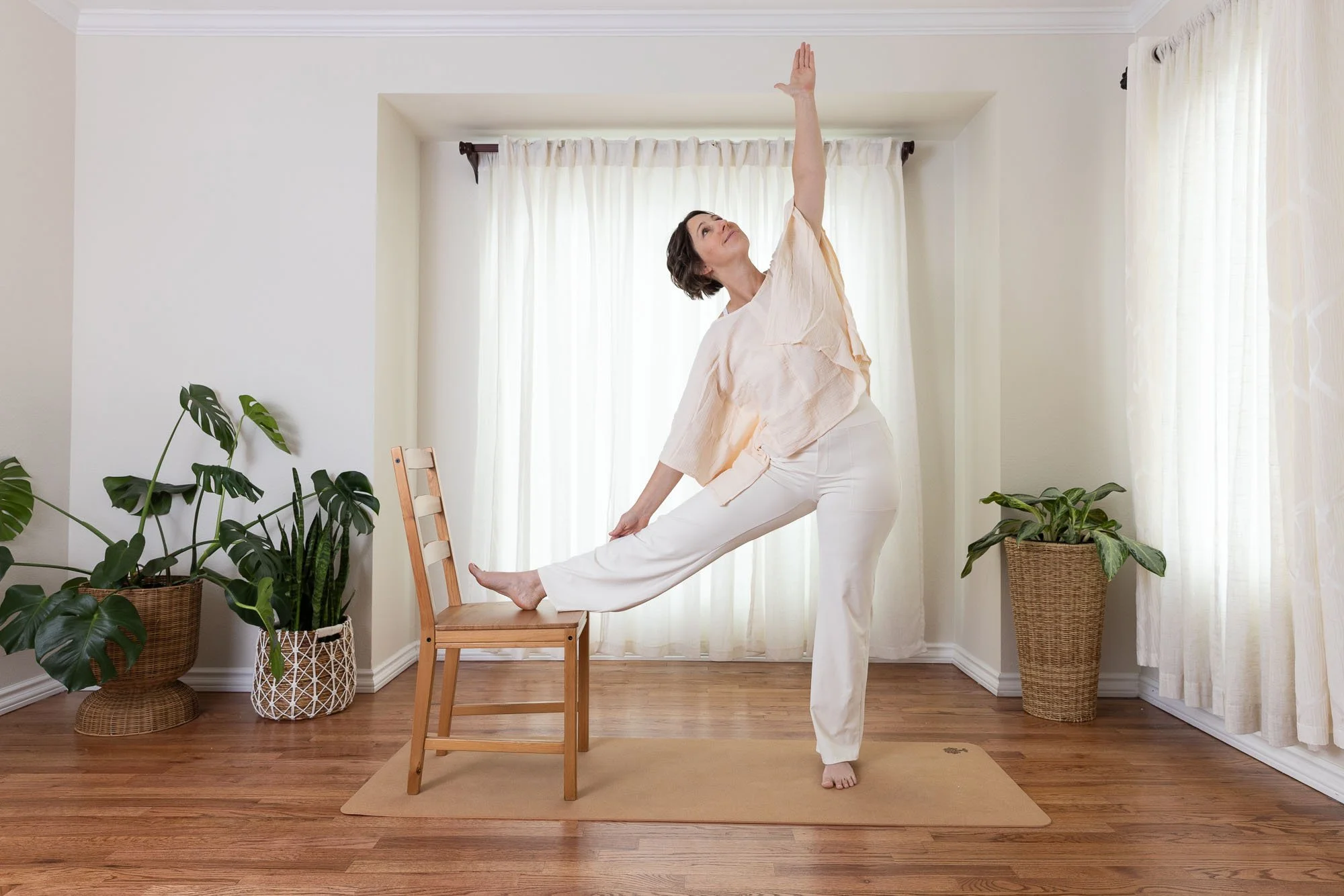
Chair Yoga
PRACTICE WITH SUPPORT
Chair Yoga is a gentle, accessible practice that brings the benefits of yoga to participants who may prefer or need the support of a chair. Using a combination of seated and standing movements, breathwork, stretching, and mindful awareness, participants can improve mobility, balance, flexibility, strength, and body awareness without needing to get down on the floor. The practice can be adapted to meet a wide range of physical abilities and comfort levels.
Chair Yoga is about more than physical movement—it offers an opportunity to slow down, breathe deeply, and reconnect with the body in a supportive environment. Classes may include gentle strengthening, joint mobility, balance exercises, relaxation, and meditation, creating a well-rounded experience that supports both physical and emotional well-being.
At Lightkeeper’s Way, Chair Yoga is offered with compassion, encouragement, and respect for each participant’s individual needs. Whether offered in a senior living community, workplace, wellness program, or other group setting, the practice creates an inviting space to move, breathe, connect, and feel more at home in your body.
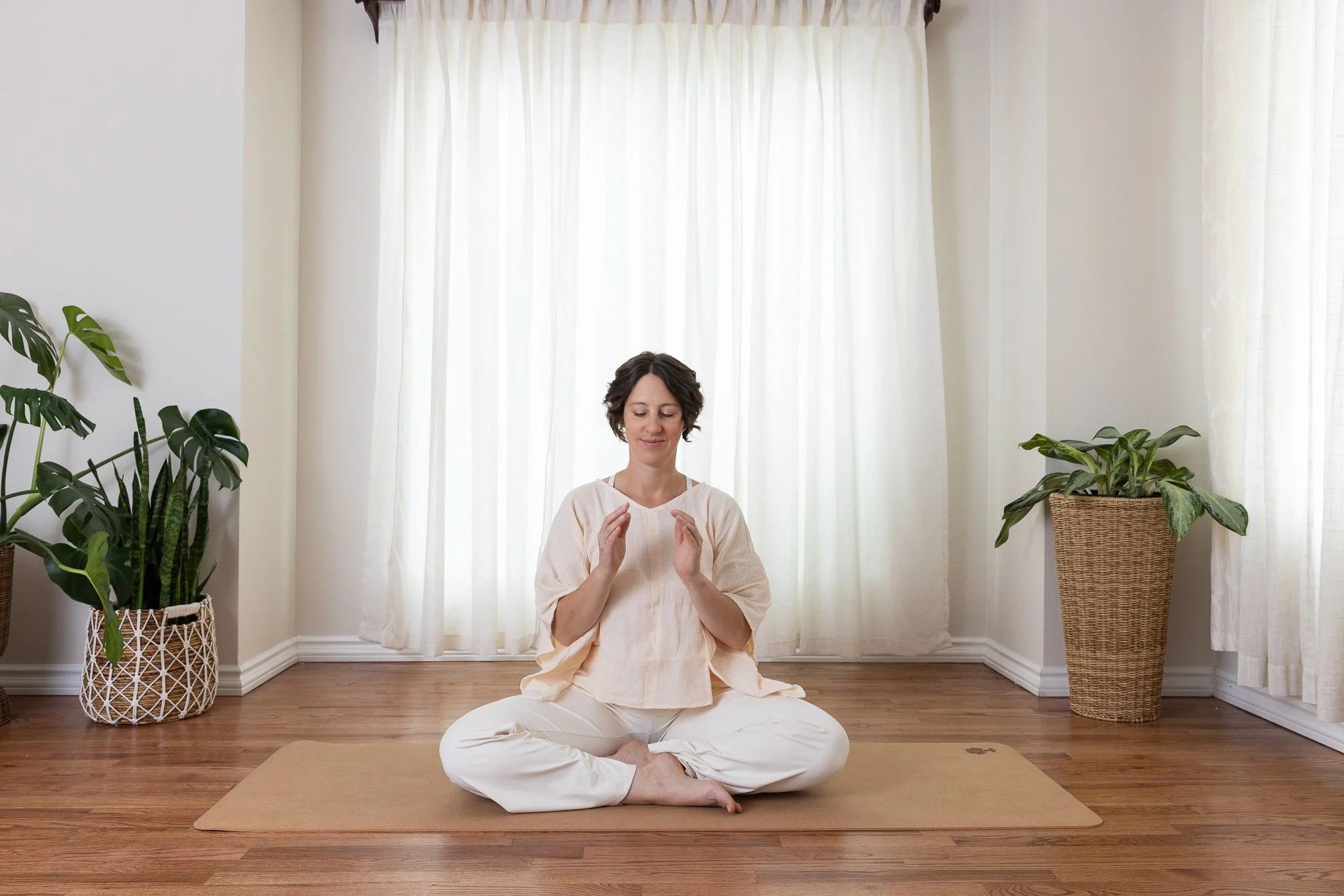
Kundalini Yoga
AWAKEN YOUR SPIRIT
Kundalini Yoga is a dynamic and deeply transformative practice that brings together movement, breathwork, meditation, mantra, and focused awareness to cultivate greater vitality, clarity, and inner connection. Often described as a practice of awakening consciousness, Kundalini Yoga works with the body, breath, and mind to help release stagnant energy, strengthen the nervous system, and create a greater sense of balance and presence.
Classes may include a combination of specific yoga sequences, called kriyas, breathwork, meditation, chanting, and periods of stillness. Each element is thoughtfully woven together to create an experience that can be both energizing and grounding. While the practice can be physically challenging at times, Kundalini Yoga is ultimately less about achieving a particular physical form and more about developing awareness, resilience, and a deeper relationship with yourself.
At Lightkeeper’s Way, Kundalini Yoga is offered as an opportunity to turn inward, reconnect with your own inner wisdom, and create space for meaningful transformation. Whether you are seeking greater energy, emotional balance, clarity, or a deeper sense of purpose, the practice offers tools for meeting yourself exactly where you are—and moving forward with greater presence and intention.
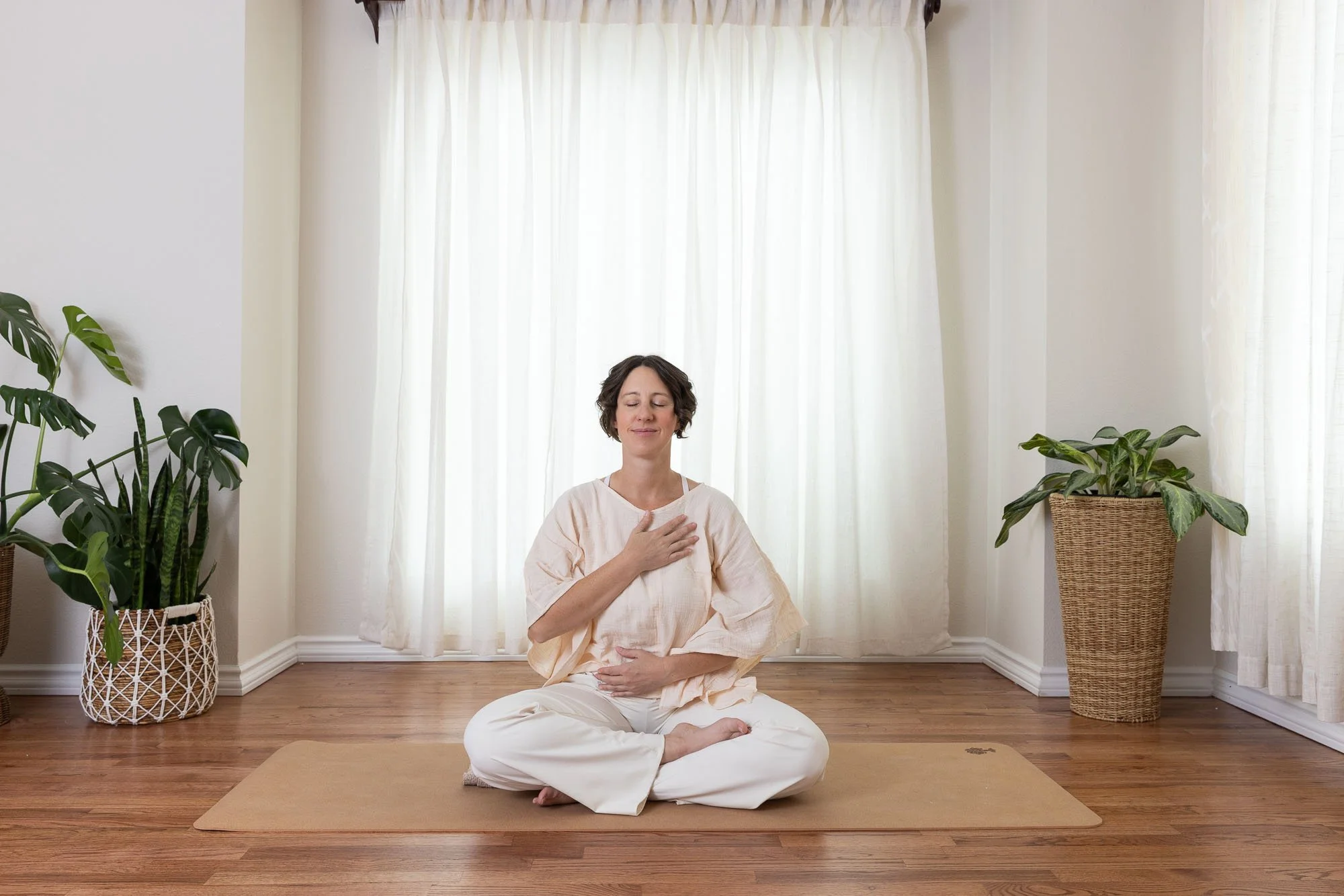
Trauma Informed Yoga
CULTIVATE A SENSE OF SAFETY
Somatic Trauma-Informed Yoga is a gentle, choice-centered practice that invites participants to reconnect with their bodies through mindful movement, breath, and present-moment awareness. Rather than focusing on achieving perfect poses or pushing through discomfort, the practice emphasizes curiosity, personal choice, and noticing the body’s signals without judgment. Participants are encouraged to move at their own pace, modify or pause whenever needed, and develop a greater sense of safety and agency within their own bodies.
Drawing from somatic awareness and trauma-informed principles, classes may incorporate gentle movement, grounding techniques, breath awareness, restorative postures, and periods of stillness. The intention is to create an environment where participants can explore movement without pressure or expectation, while developing tools for regulating stress and cultivating a more compassionate relationship with themselves. There is no single “right” way to experience the practice—each person is invited to discover what feels supportive and appropriate for them.
At Lightkeeper’s Way, this practice honors the wisdom of the body and recognizes that healing is deeply personal. The goal is not to revisit or process traumatic experiences through yoga, but to offer a supportive space where participants can experience choice, connection, presence, and greater trust in themselves and their bodies.